The Sovereigns

Six queens. Six worlds. One obsession.

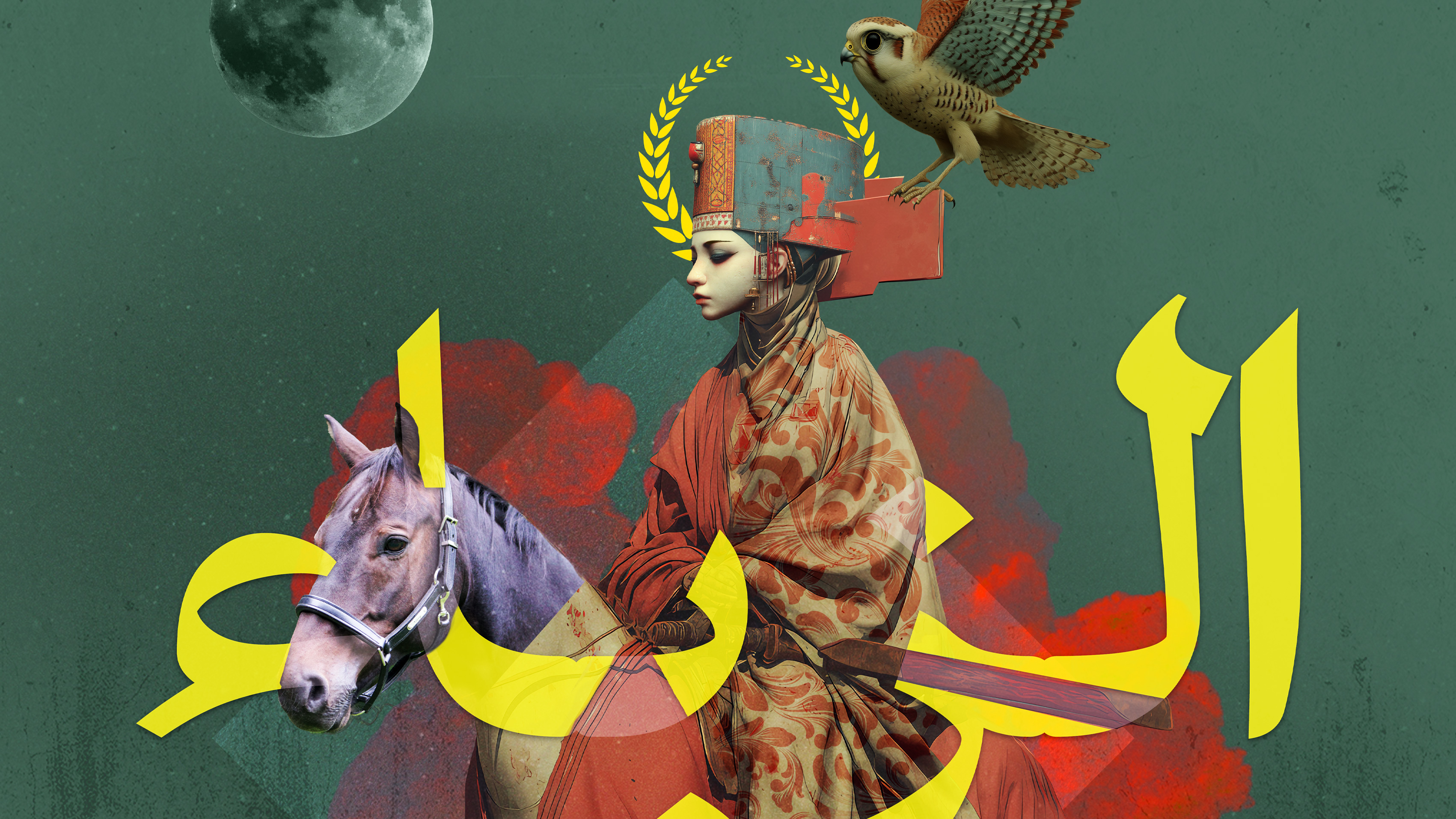
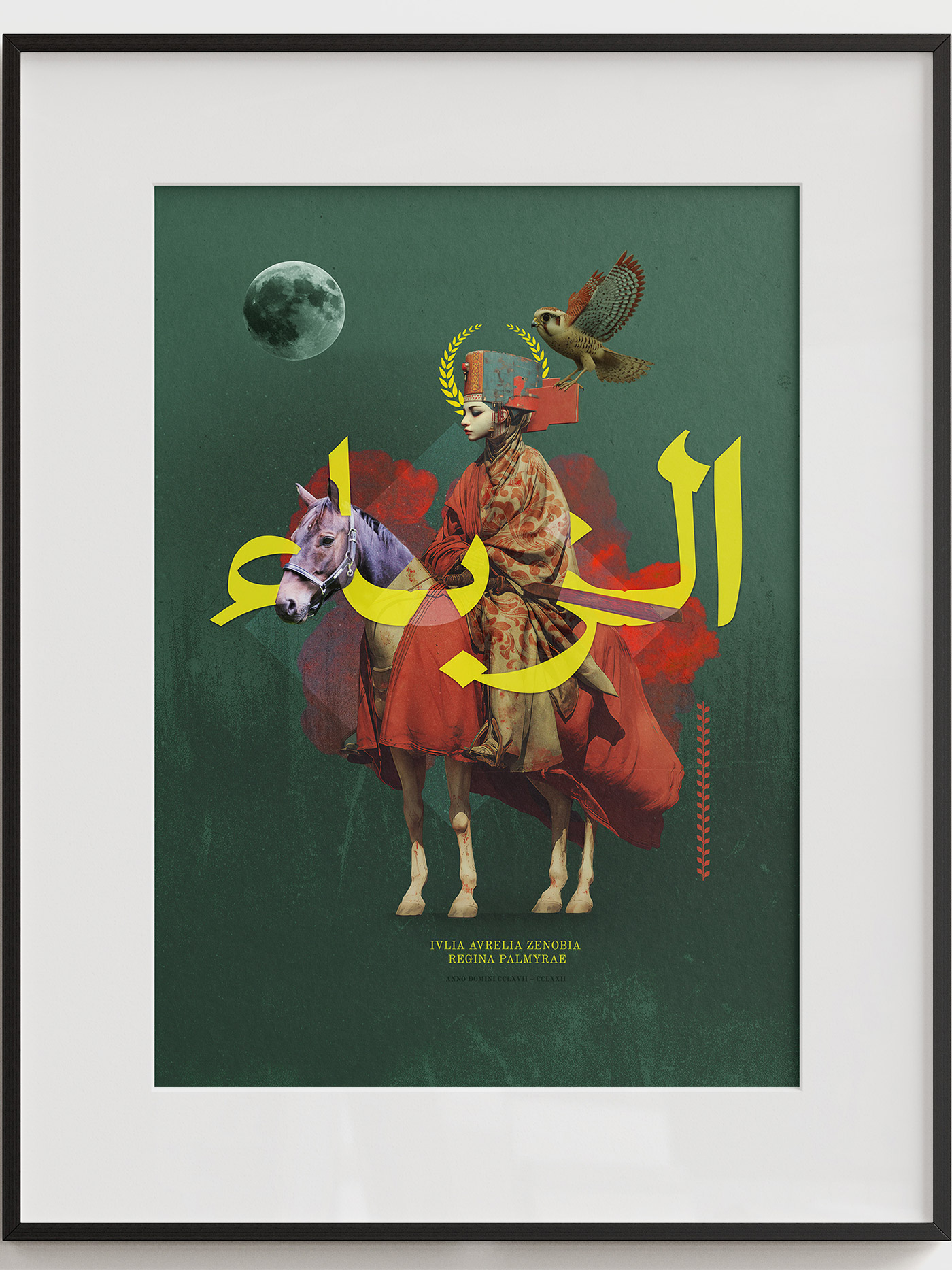
The Sovereigns — Zenobia of Palmyra, digital collage by Chiara Alduini

This project is about everything I love — texture, faces, history, the dream logic of Orientalist painting turned inside out. Four women who held power in worlds that tried to erase them. I reconstruct them the way I think: in layers, starting from a sketch, building up images, symbols, calligraphy, fabric, light — until something true emerges.

Zenobia — The Ambition of Palmyra
I

Zenobia

The Ambition of Palmyra

A queen who turned the desert into a crossroads of civilizations. The collage holds the tension between a predator's gaze and diplomatic grace — calligraphy and floral patterns weaving through the armor of a woman who dared to challenge Rome.

Nefertiti — The Sun of Amarna
II

Nefertiti

The Sun of Amarna

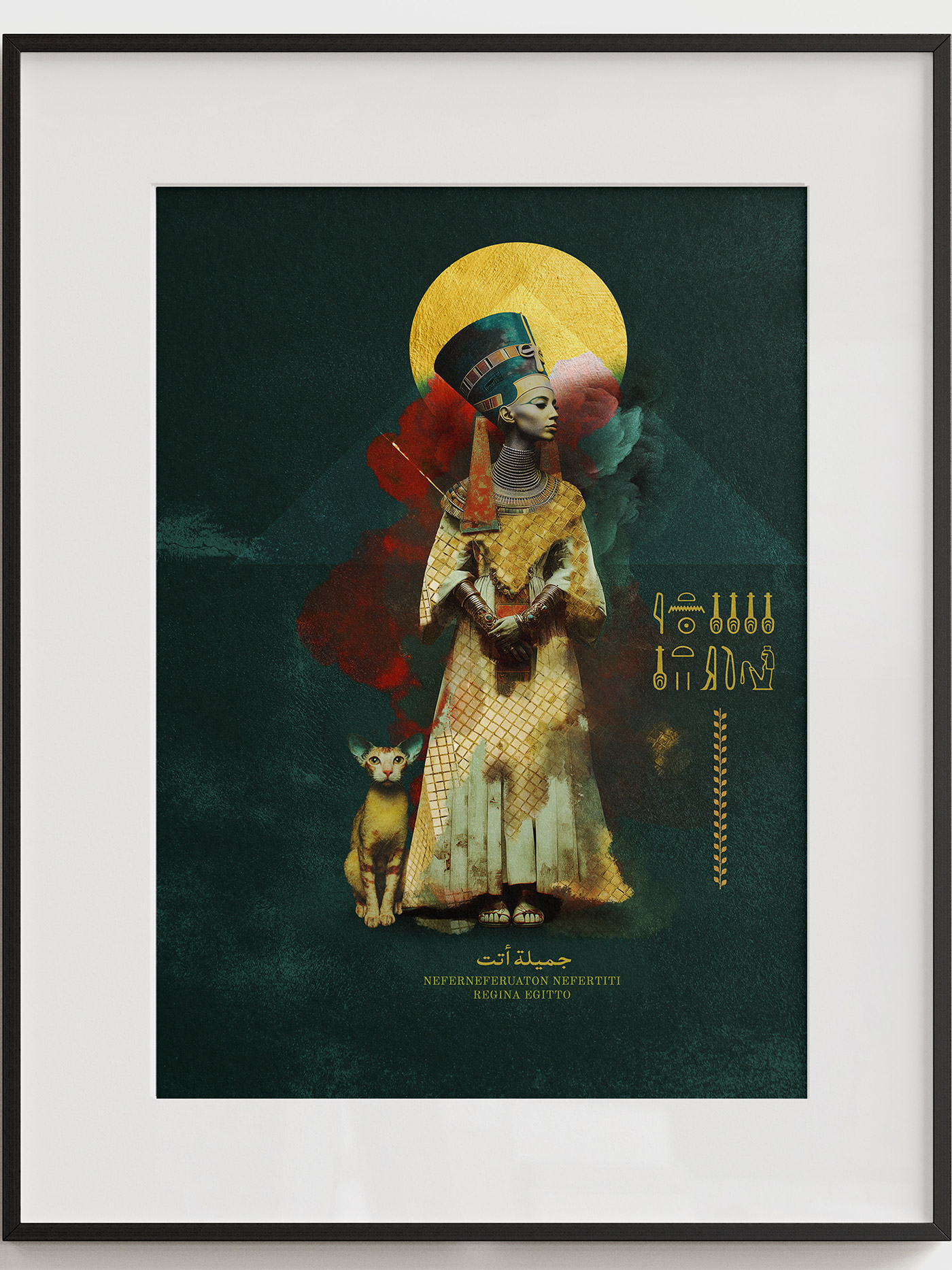
Immortal because of a profile. I worked with that silhouette as a monumental form — geometric, textured, layered with ancient pigments and digital noise. Elegance as a form of power.

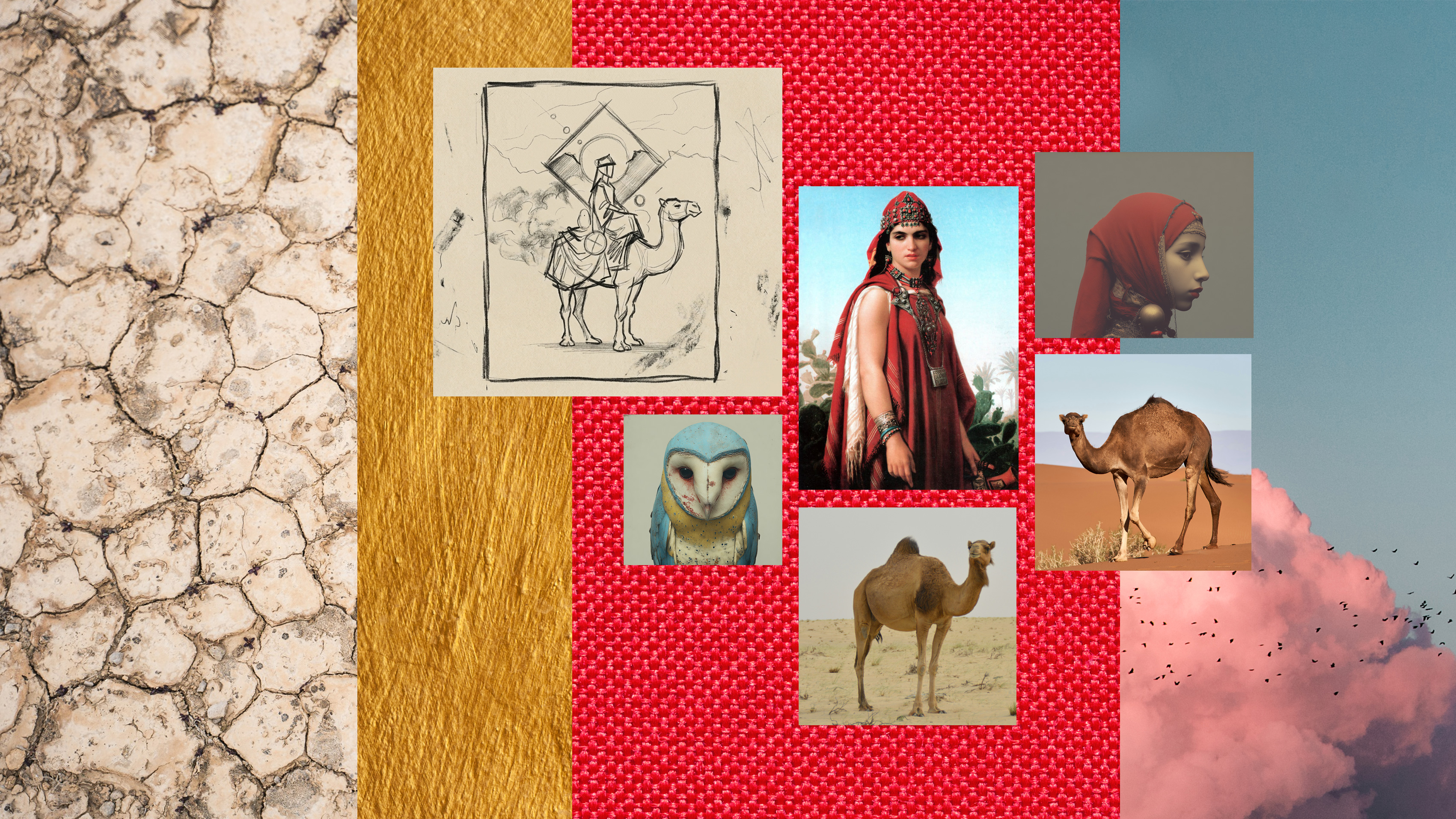
Dihya — The Oracle of the Aurès
III

Dihya

The Oracle of the Aurès

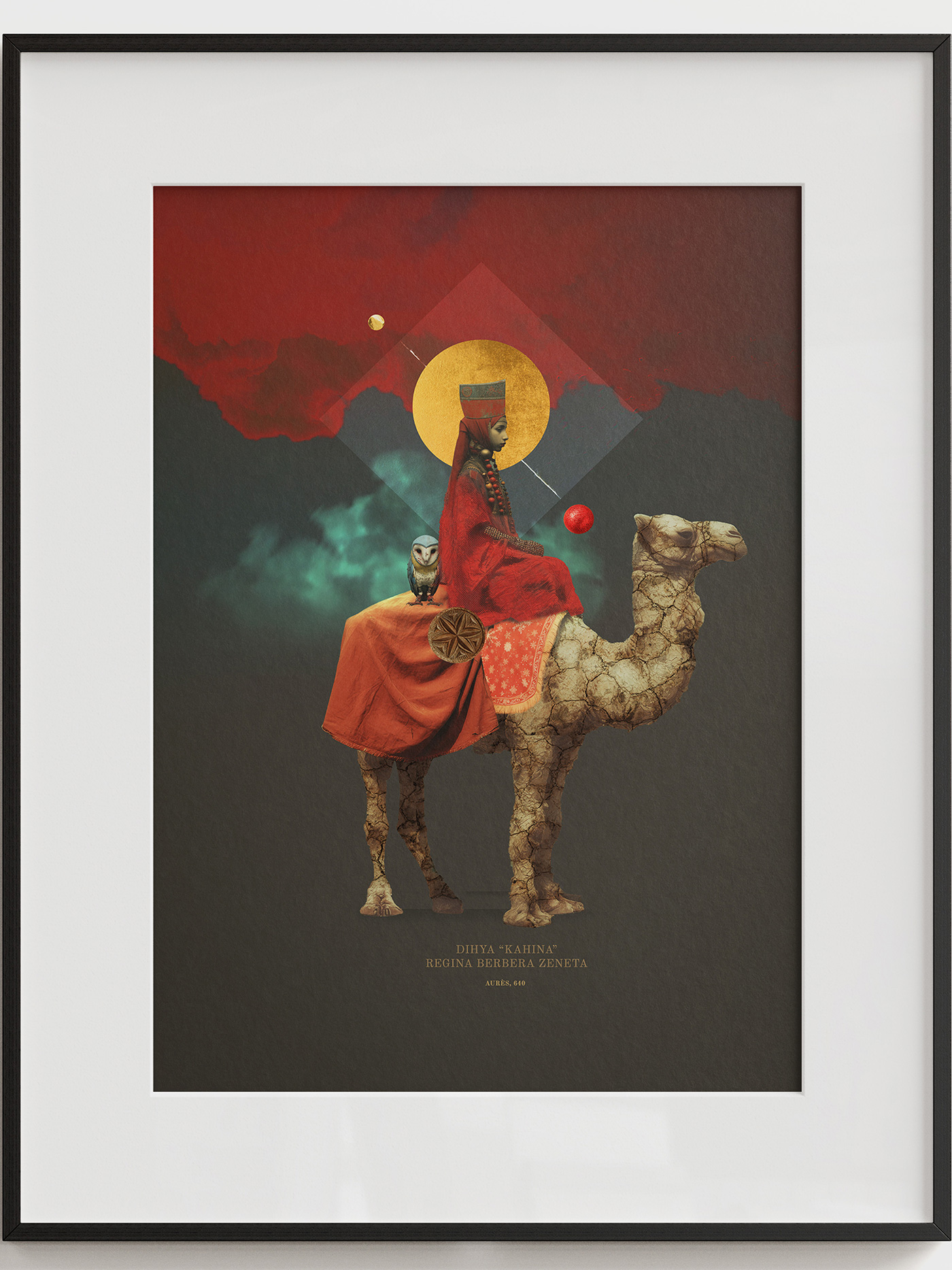
Earth-cracked textures, a crimson mantle, suspended spheres. The materiality of North Africa — its resilience, its silence, its refusal to be erased. Dihya fought until the end and still carries her name in the land.

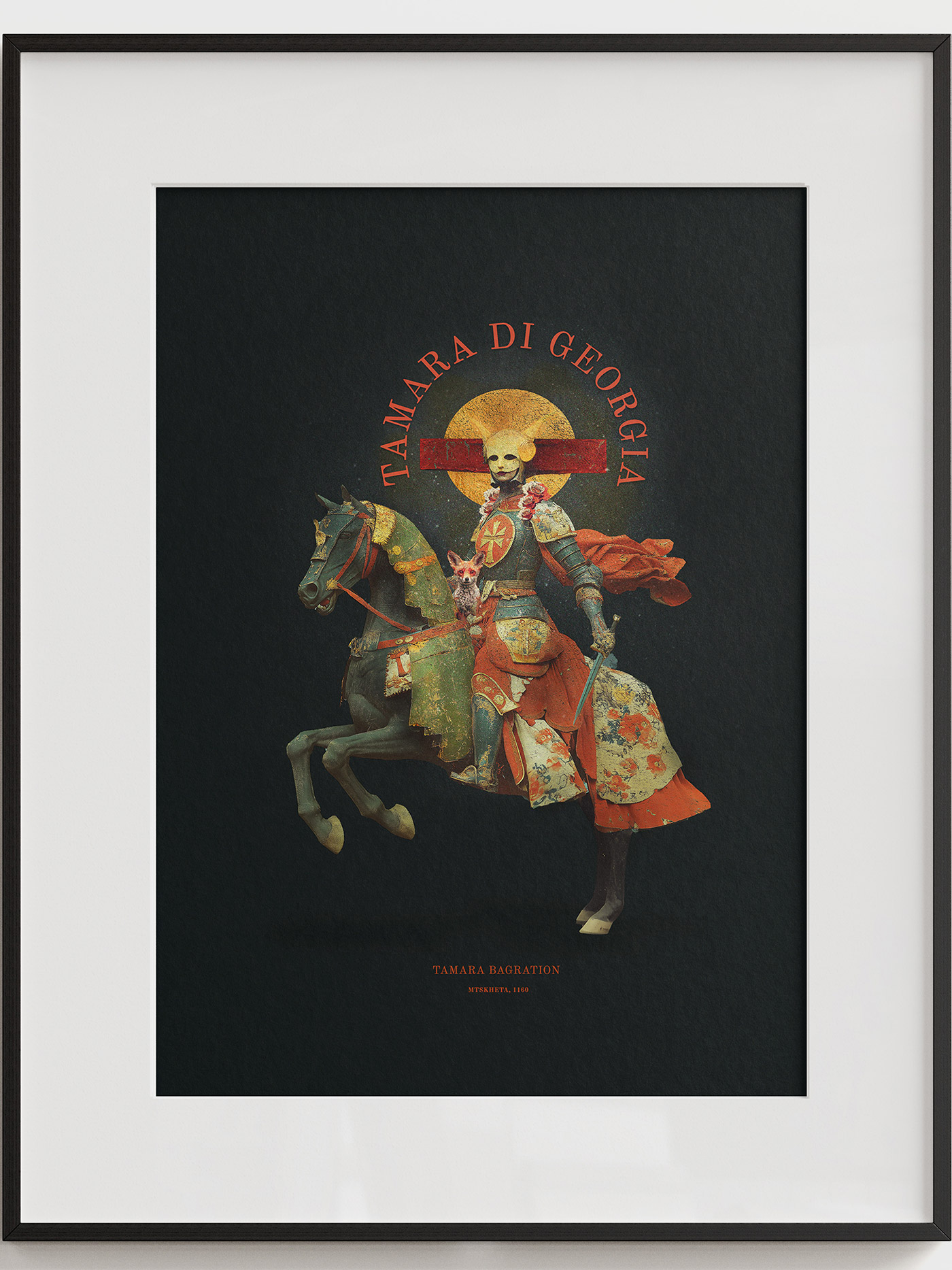
Tamara — The King of Georgia
IV

Tamara

The King of Georgia

She ruled as king, not queen — and insisted on the title. The golden halo anchors the composition like a medieval icon, surrounded by armor and deep reds. Warrior and saint in the same body.

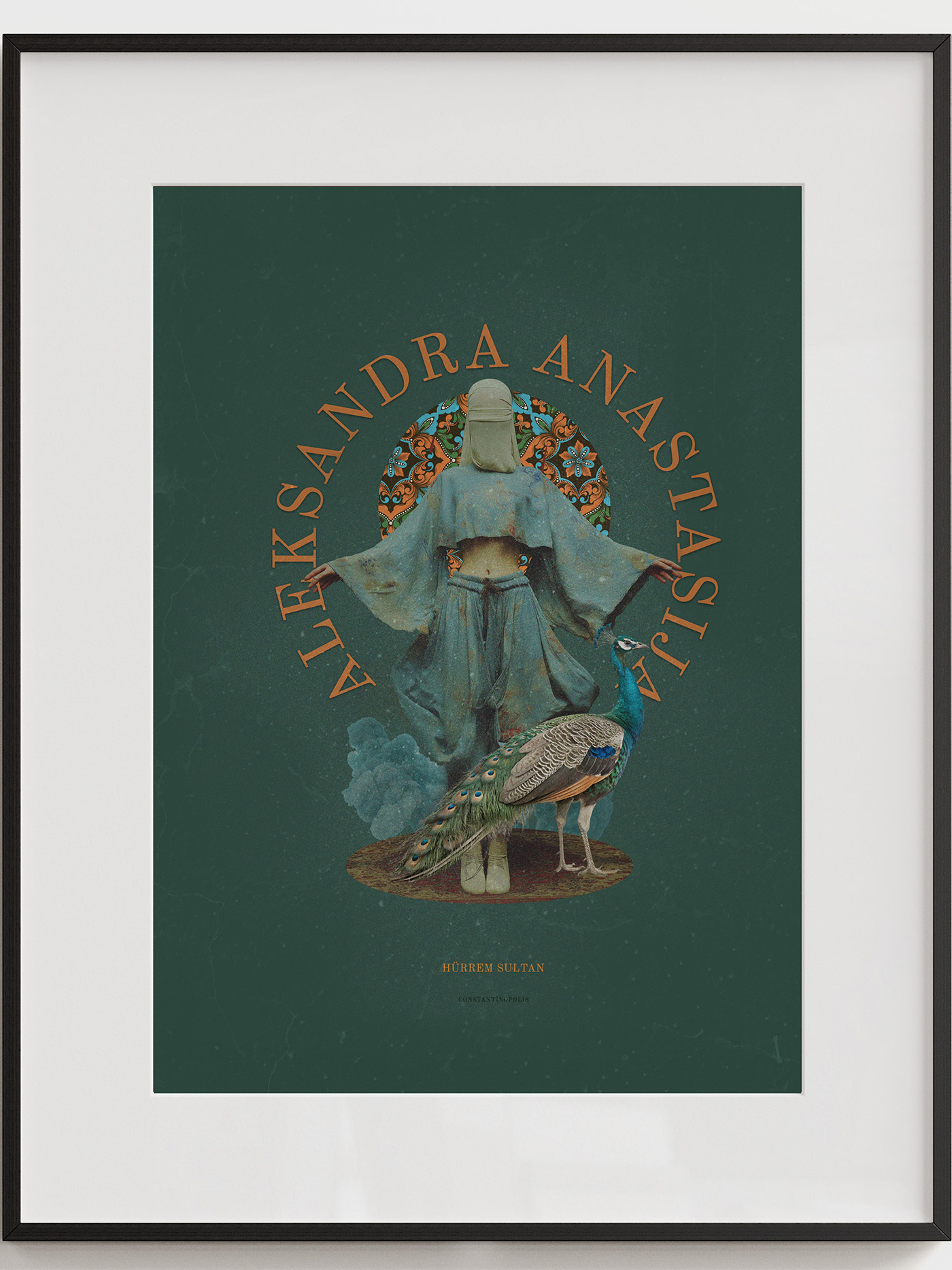
Roxelana · Hürrem Sultan
V

Roxelana

Hürrem Sultan

From captivity to the throne — not through force, but through intelligence, presence, and an understanding of power that no one saw coming. Hürrem Sultan rewrote the rules of the Ottoman court from the inside: the first enslaved woman to become the legal wife of a sultan, the first to remain at his side in the imperial palace rather than disappear into the harem.

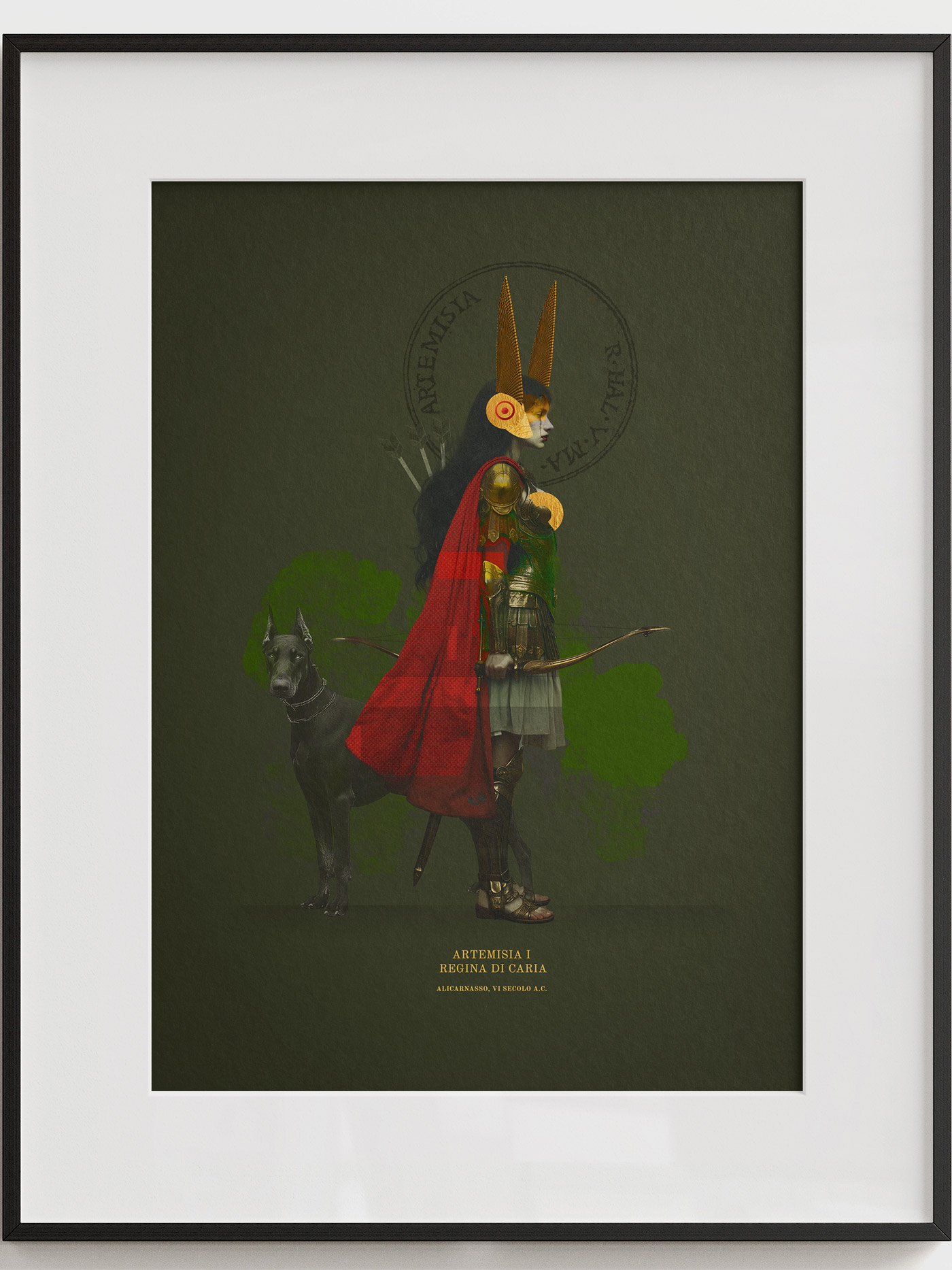
Artemisia I — Regina di Caria
VI

Artemisia I

Regina di Caria

The only woman to command a fleet in ancient Greece — and the one Xerxes trusted most. Artemisia I of Caria sailed into the Battle of Salamis as an admiral, not a spectator. She led five ships of her own, fought alongside the Persian fleet, and earned the grudging respect of every man on that water. Herodotus admired her. The Greeks put a price on her head. She outmaneuvered them all.

The bow, the armor, the red cape — she carried war as a language she had always spoken. The dog at her side doesn't protect her. It obeys her.

The Digital Fresco Technique — process documentation
Method & Process

The Digital Fresco Technique

The Digital Fresco technique starts with a sketch — a composition, a mood, a structure. Then comes the layering: photographic elements, hand-researched textures, fragments of illustration, AI-generated surfaces used deliberately, not randomly. Everything is composed by hand. The result looks ancient and digital at the same time, because it is.

"Four women who shaped history — reconstructed in the language of the present."
← The Archangels Discover Petra with Ahmad →